by Nicolae Mandea
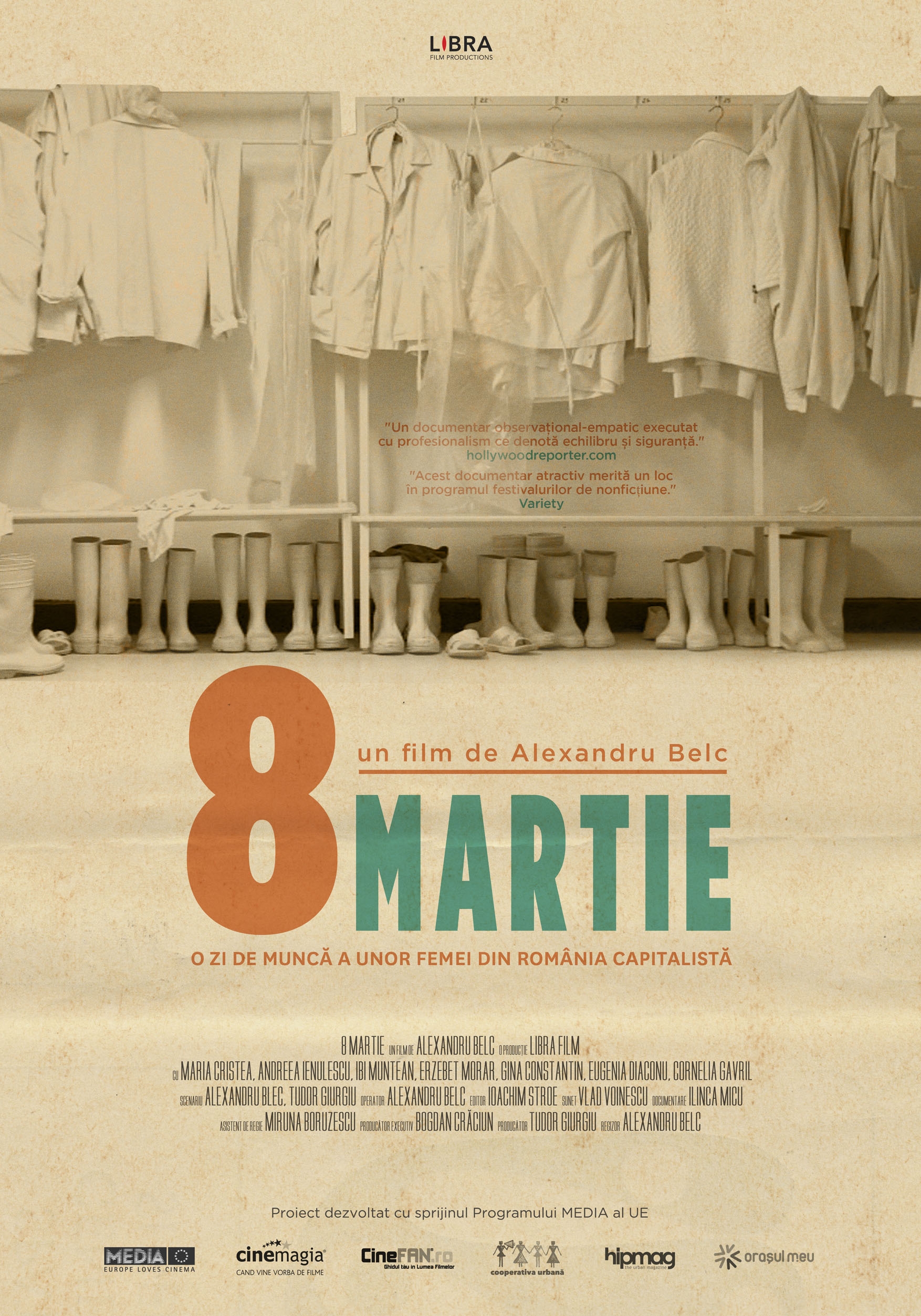
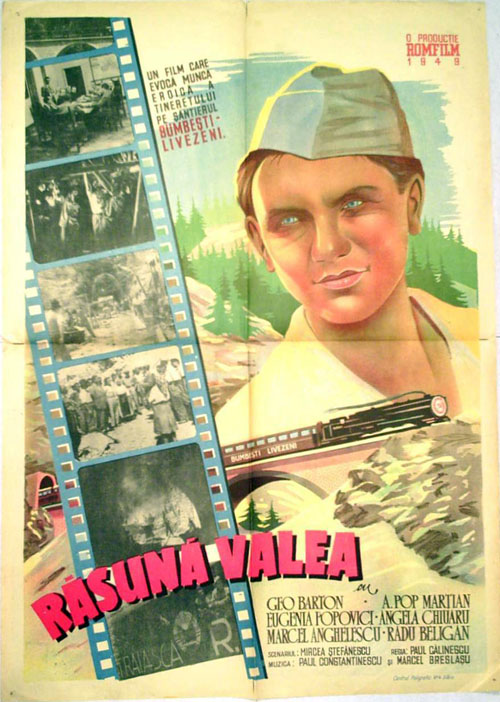
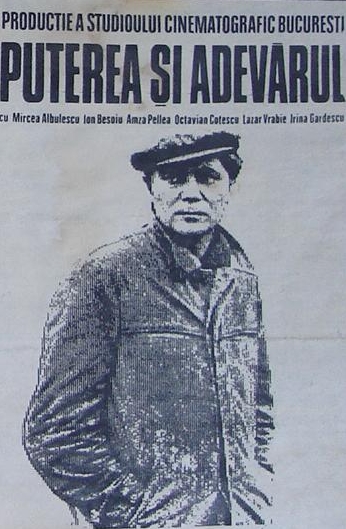
The films which Nicolae Mandea analyzes in his essay – Răsună valea (The Valley Is Bustling – 1950, director Paul Călinescu), Puterea şi adevărul (Power and Truth – 1972, Manole Marcus) and 8 Martie (March 8 – 2012, Alexandru Belc) – focus on representations of the social repertoire of labor, emphasizing the accuracy of the details. The painting-like representations of the scenes of labor are usually rich in information about the characters, the spacial context, the world of objects and the typical attire. At the same time, the physical activities leave an indelible mark on the human body. They are indicators of the existential status of each character and of the tense and conflictual ways in which the characters interact.
The starting point of the essay is the question Is anyone working in Romanian films?. The emphasis in this question is placed on the relevance of the actions of labor and their social role, thus enabling an entire discussion about different degrees and forms of representation of the theme. The second question – which complements the initial one – introduces those who construct and impose representations: Whose is this perspective which channels the representation of the social world? Is it the perspective of the bourgeois world which imposes its own style? Or is it that of the political world which sees its crude propaganda represented in the media?